

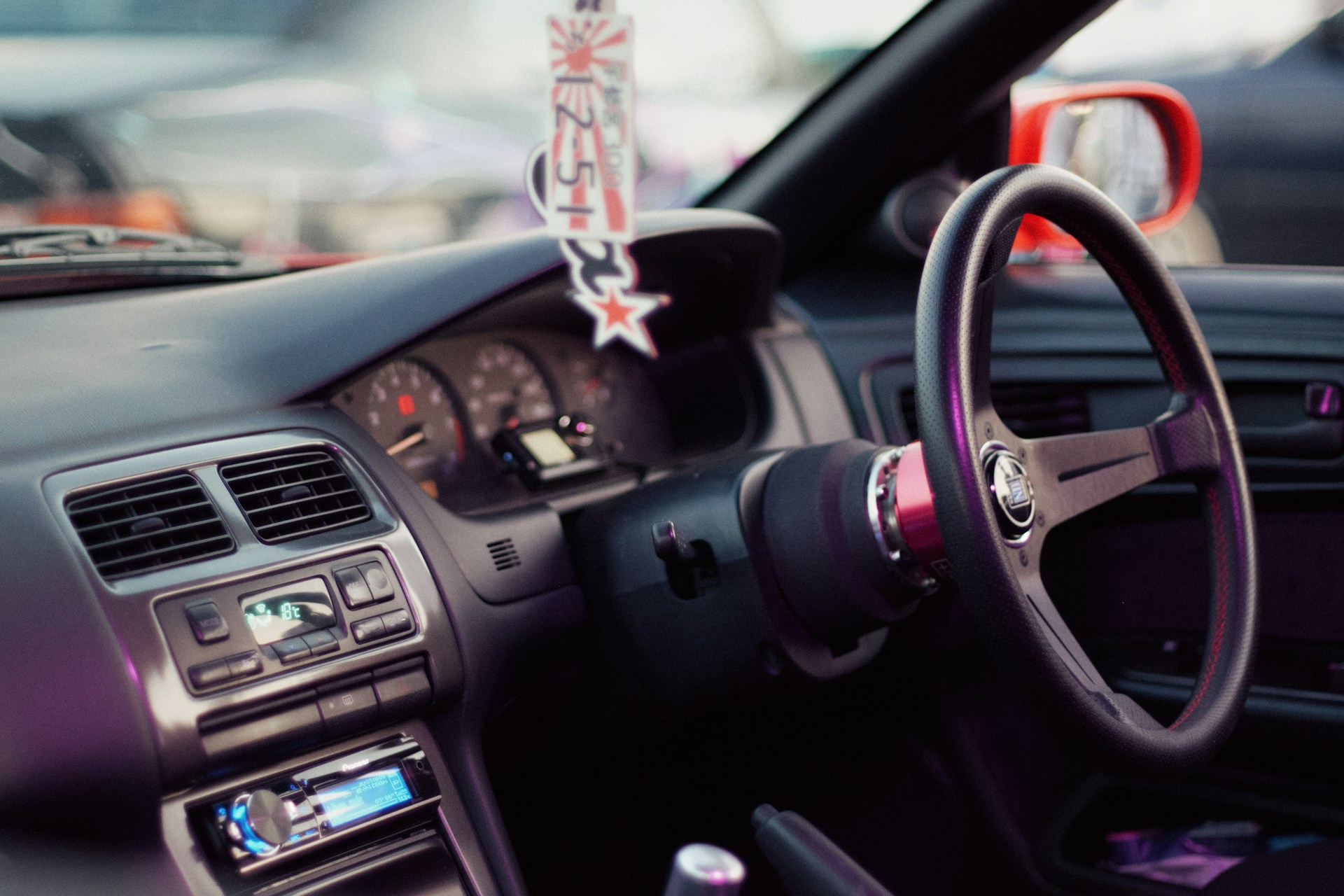
Car odors usually stick around because bacteria, mold, and other microorganisms settle deep into fabrics, padding, and even ventilation pathways. These microbes release volatile compounds that cling to surfaces, causing the smell to return whenever the car heats up or moisture builds.
PuroClenz simplifies the process by targeting the microorganisms that cause those tough odors inside your car. Instead of masking odors with fragrances, it neutralizes the bacteria and organic residues that keep producing them.
In this guide, you’ll learn why odors persist, what separates real neutralizers from basic air fresheners, how these products work, and how to choose solutions that permanently eliminate unwanted smells inside your vehicle.
Understanding Car Odors
Car odors come from all sorts of places and can really linger, especially with how smells interact with your car’s materials. Getting a sense of where odors originate, why they stick around, and how to tell short-term from long-term issues will help you tackle things more effectively.
Common Sources of Odors in Vehicles
Most car odors start with bacteria, mold, and other microorganisms growing in damp or dirty spots. Here are a few usual suspects:
- Pet accidents or leftover pet hair
- Food spills and trash buildup
- Cigarette smoke residue
- Mold or mildew from moisture
Sometimes the car’s own materials break down or react to heat and humidity, trapping smells in seats or carpets. Air conditioners can get musty if vents collect moisture or mold. Pinpointing the source helps you decide if you need a quick clean or a deep treatment.
The Science Behind Persistent Smells
Odor molecules cling to surfaces—seats, carpets, air ducts. When bacteria and mold feed on grime, food, or moisture, they let off those nasty gases we all hate.
If you just mask odors, you’re not solving the problem. You need something that destroys the microorganisms and neutralizes the molecules causing the smell.
Many effective odor neutralizers use chlorine dioxide or similar green chemistry. These go after odors at the source without harsh chemicals, keeping smells from coming back instead of just covering them up.
How Moisture Triggers Microbial Odor Growth
Moisture trapped in seats, carpets, or HVAC components gives bacteria and mold the conditions they need to grow. According to the CDC, damp environments allow microorganisms to multiply quickly and release gases that create the musty or sour odors often found in cars.
Even small spills or humidity buildup can activate this process, especially when heat accelerates microbial activity. When moisture stays inside porous materials, the odor compounds they produce become harder to remove with surface-level cleaning.
Understanding how moisture drives this growth helps you choose a neutralizer designed to penetrate deep layers where these microbes survive.
Short-Term vs. Long-Term Odor Issues
Some smells pop up quickly and fade after a good cleaning or some fresh air—think spilled food or one-time smoke. Those are short-term odors and usually don’t need much more than a wipe-down.
Long-term odors come from things like mold, pet urine soaked into seats, or years of smoke residue. These get deep into the car’s surfaces and are much tougher to kick.
For long-term odors, you’ll need a thorough cleaning plus a pro-grade odor eliminator that gets into fabrics and vents, destroying odors instead of masking them. Skip this, and the smell just keeps coming back—super frustrating.
| Odor Type | Source Example | Treatment Needed |
| Short-Term | Food spill, brief smoke | Cleaning, ventilation |
| Long-Term | Mold, pet urine, smoke residue | Deep cleaning, odor neutralizer |
What Is a Car Neutralizer Odor Solution?
A car neutralizer odor solution actually goes after the source of foul smells. It doesn’t just cover things up with fragrance—it removes the bacteria, mold, and particles causing the stink. That’s how you get real, lasting freshness.
These products come in all sorts of forms. Some use strong chemicals to break down odor molecules, while others stick to natural or green ingredients. Knowing how they work and what makes them different helps you figure out what’s right for your ride.
How Odor Neutralizers Work
Odor neutralizers attack the source of bad smells, not just the scent itself. Microorganisms like bacteria and mold move into your car’s fabrics, carpets, or air systems and make themselves at home.
Neutralizers use active ingredients to break down those microbes or the smelly molecules they create. Chlorine dioxide, for example, often shows up in strong neutralizers. It reacts with sulfur and nitrogen compounds—the real troublemakers—and changes their structure so you don’t smell them anymore.
This approach also sanitizes your car’s interior, cutting down on germs that can make odors return. Most treatments work in a couple of hours and give you a deeper clean than quick-fix sprays or air fresheners.
Neutralizer vs. Air Freshener
Air fresheners just add fragrance, covering up unpleasant smells for a bit. They don’t actually remove what’s causing the stink.
Neutralizers, though, hunt down and destroy the compounds that make your car smell bad. No more lingering smoke, pet urine, or mold odors after you use them. And you don’t end up with that weird mix of scents that sometimes makes things worse.
If you want your car to actually be clean and odor-free, you need a neutralizer. That’s the only way to get permanent odor elimination instead of a temporary fix.
Types of Odor Neutralizers for Cars
You’ll find car odor neutralizers in a bunch of forms, depending on what you need:
- Sprays: Easy for spot treatment. Good for light odors but might not reach deep-down smells.
- Gels and Bags: Absorb odors slowly and can hang out in your car for weeks.
- Foggers or Aerosol Systems: Fill the whole interior with a neutralizing agent, reaching deep into fabrics and vents.
- Electronic Purifiers: Use tech to clean air all the time, but they might not handle set-in odors.
Pick a product that matches how bad the smell is and how permanent you want the fix. For tough smells—like smoke or pet urine—foggers or pro-grade sprays with active chemistry usually work best.
Benefits of Using Car Odor Neutralizers
The right odor neutralizer doesn’t just cover up smells with perfume. It actually eliminates the causes for good, leading to a cleaner, safer, and more comfortable car.
Eliminating Odors at the Source
Bacteria, mold, and other microorganisms cause most car odors. A good neutralizer targets these troublemakers directly. Air fresheners might hide smells, but neutralizers break down odor molecules at their root.
So, whether you’re dealing with smoke, pets, food spills, or mildew, those smells don’t just vanish for a little while—they’re gone. You don’t have to worry about lingering odors that embarrass you or drive you nuts. With permanent odor elimination, your car stays fresher longer, and you don’t have to rely on overpowering perfumes.
Maintaining a Healthy Interior Environment
When your car smells, it’s often a sign that germs are growing in the seats and carpets. Odor neutralizers kill these harmful microbes, which helps lower the risk of allergies or breathing problems from mold spores or bacteria.
Safe, non-toxic formulas make it easy to keep your car clean without nasty chemicals. Using a neutralizer regularly keeps things sanitized and fresh every time you get in. Plus, it helps preserve your car’s interior so it lasts longer.
Choosing the Right Car Neutralizer Odor Product
Finding the right neutralizer means looking for a product that targets odors at their source, works safely around people, and actually fits your specific problem. Not all products are equal—some just hide smells, others destroy them for good. Knowing which ingredients matter, what matches your needs, and how to keep everyone safe helps you make a good call.
Key Ingredients to Look For
Check for ingredients that eliminate odors by going after the bacteria and microorganisms behind them. Chlorine dioxide works well—it attacks odor-causing microbes without just masking smells with chemicals or perfumes.
Skip products that mostly rely on strong scents or basic air fresheners. They just hide odors for a bit and can leave gunk behind. Instead, go for non-toxic, biodegradable formulas that don’t leave harmful residue.
Stuff like activated charcoal or baking soda can absorb smells, but they don’t destroy them. They’re fine as a backup, but they take time and need replacing. Green chemistry products tend to work better and last longer without the hazards.
Top-Rated Products for Different Needs
Your best pick depends on what’s causing the odor and the size of your car. For example:
| Product Type | Best For | Key Benefit |
| Activated charcoal bags | Small spaces, ongoing odor absorption | Natural, slow odor absorption, ideal for light use |
| Electronic ionizers | Continuous air purification | Works while you drive; may need regular maintenance |
| Spray neutralizers | Quick spot treatment | Fast but may mask odors rather than eliminate |
Safety Considerations for Occupants
Everyone’s breathing the same air in your car, so safety counts. Pick products that are non-toxic, free from VOCs, and safe for kids and pets. Avoid harsh chemicals that could trigger allergies or leave behind something nasty.
Natural or green chemistry products mean you’re not breathing in dangerous fumes. Products that work without spraying chemicals everywhere keep things safer, too.
Always follow the instructions—especially when it comes to ventilation and how long to leave the product in the car. Some need you to keep the car closed while they work, but you can safely air it out afterward. Look for solutions backed by scientific testing and real safety guarantees for peace of mind.
Application Techniques for Best Results
If you want stubborn car odors gone for good, you’ve got to apply the neutralizer the right way. Taking your time with prep, hitting every tricky spot, and knowing what not to do makes sure the treatment actually works.
Step-By-Step Instructions
First, clear out all the trash and clutter. Vacuum seats, carpets, and mats to get rid of debris and surface bacteria.
Spray or place your odor neutralizer as the instructions say. For liquid sprays, focus on fabric surfaces and air vents, but don’t soak anything—you don’t want water damage.
Shut all the doors and windows, then let the product do its thing. Most treatments need about two hours to break down odor-causing microorganisms. Keep your car sealed up so the active ingredients can work their magic.
Once you’re done, air out the car for a bit. Keeping up with regular cleaning and this process helps keep odors from coming back.
Tips for Hard-to-Reach Areas
Odors love to hide in tight spots—under seats, inside air vents, behind door panels. Grab a nozzle attachment or a small brush and work the neutralizer right into those tricky corners.
Don’t skip the ventilation ducts. Spray into the vents and blast the car’s air system on high with the fresh air mode so the neutralizer can move through the whole system.
For seats, if you can lift the cushions, get underneath to treat the fabric and foam. The trunk and carpet edges are classic trouble zones too, especially if there’s ever been mold or a pet accident.
People forget about seat belts and headliners all the time. Use a light spray or tuck a neutralizer packet somewhere discreet—just enough to handle odors without soaking or damaging delicate surfaces.
Dos and Don’ts During Application
Do:
- Apply odor neutralizer with the windows up to lock in the treatment and boost its effect.
- Stick to the product directions—don’t eyeball the amounts or rush the timing.
- Clean everything first so you’re actually treating the real odor source.
- Keep up with regular treatments to prevent odor-causing microorganisms from building up.
Don’t:
- Don’t overdo it—soaking fabrics can wreck them or leave a sticky mess.
- Don’t skip vacuuming or surface cleaning first. Products work way better on clean stuff.
- Don’t just spray air freshener and hope for the best. That only hides the smell, not the cause.
- Don’t ignore safety instructions or leave your car baking in the sun during treatment; you’ll lose effectiveness.
Natural and DIY Alternatives
You can actually handle car odors with some pretty basic, natural methods. These focus on neutralizing the stink at its source without loading your car up with chemicals. Homemade solutions and everyday household stuff can go a long way toward keeping your ride fresh.
Homemade Odor Neutralizers
Making your own neutralizer gives you control over what’s inside and keeps out harsh fumes. A favorite trick: mix half a cup of baking soda with 5–10 drops of essential oil (think lavender or lemon) in a small jar. The baking soda grabs onto odors, and the oil leaves a clean, not-too-strong scent.
Another easy DIY: blend vinegar with a few drops of essential oil and make a spray. Vinegar breaks down smelly molecules, and the oil covers up that sharp vinegar note. Just mist it lightly—no need to drench anything.
You can also fill little cloth bags with herbs like rosemary, mint, or dried citrus peels. Give the leaves a quick crush before tossing them in the car to release a fresh scent.
Household Items Used for Odor Removal
Plenty of things you already have at home can fight car odors. Baking soda is a classic—just sprinkle it on seats and carpets, let it sit, then vacuum it up. Activated charcoal bags are another solid bet. They pull in odors without adding any weird perfume.
Tuck one under a seat or in a cup holder and let it do its thing. Coffee grounds work surprisingly well, too. Put some in a sock or a small container, and they’ll soak up stubborn smells like smoke or food. The texture and oils in the grounds attract odor particles.
Fresh citrus peels—lemon, orange, whatever you have—can cut through bad smells fast. Leave some in the glove box or cup holder for a subtle, natural deodorizer. All these natural options are safe, cheap, and actually target the source instead of just covering things up.
Ongoing Maintenance to Prevent Odors
Keeping your car smelling good isn’t a one-and-done thing. It’s about regular care and a few smart habits. Stick to a routine that gets all the surfaces clean and stops new odors before they start. Focus on frequent cleaning and blocking out the usual suspects: moisture, bacteria, and everyday mess.
Regular Cleaning Routines
Stay on top of your car’s interior—dirt, spills, and bacteria can get out of hand fast. Vacuum carpets, seats, and floor mats every week if you can. Wipe down hard surfaces with a mild cleaner to cut back on grime and germs.
Use a fabric-safe spray or upholstery cleaner for deep-set smells in seats and carpets. Don’t ignore spots where moisture lingers, like under mats or around door seals.
Swap out your cabin air filter now and then. A fresh filter keeps the air flowing and helps stop stale odors from recirculating.
After cleaning or wet weather, let your car dry out completely. Dampness is a breeding ground for mold and bacteria that lead to stubborn smells.
Preventative Measures for the Future
It’s easier to avoid odors than to fight them later. Don’t leave food or drinks behind, and if you’ve got pets, clean up hair and accidents right away. Pick odor-neutralizing products that actually destroy the source. Go for safe, non-toxic formulas—especially for tough stuff like smoke or mildew.
Crack the windows when you can, or leave them open a bit to keep air moving and cut down on moisture. Parking in dry, shaded spots helps too. Heat and humidity are like a welcome mat for bad smells.
Check for wet spots or spills on the regular. Treat and dry them right away so odors don’t get a chance to settle in. Trust me, prevention is way less hassle than fixing a problem after it’s set in.
Addressing Persistent and Specialized Odor Issues
Some car odors just won’t quit with a quick spray and a prayer. Smoke and pet smells, for example, seem to hang on forever, especially in fabric and vents. Mold and mildew come from hidden moisture and bring their own set of headaches. These need a targeted approach that actually kills the source, not just the scent.
Dealing with Smoke and Pet Odors
Smoke and pet odors are the worst because they dig deep into upholstery, carpets, and vents. Air fresheners? Forget it—they don’t stand a chance. You have to use something that attacks the actual odor-causing microorganisms.
Look for odor eliminators with enzymatic or chlorine dioxide formulas. These break down smoke residue and pet urine at the molecular level. Make sure you treat all the soft surfaces and the airflow system—those smells get everywhere.
To keep odors from coming back, clean or swap out your cabin air filter. Don’t just use harsh chemicals that mask the smell and skip the disinfecting part. Stick with non-toxic eliminators that wipe out odors and keep your car (and you) safe.
Removing Mold and Mildew Smells
Mold and mildew thrive in damp, dark spots—think under seats, floor mats, or deep inside the AC ducts. If you catch a musty smell, that’s mold spores and bacteria at work. It’s not just unpleasant; it’s a health risk, so don’t ignore it.
First, get your car totally dry. Then hit all affected surfaces with a chlorine dioxide-based odor eliminator to sanitize and kill the mold. This stops new growth and clears out the smell without leaving anything nasty behind.
For long-term results, check for leaks and fix them. Use odor eliminators that can reach deep into fabrics and hidden spaces, so you’re actually destroying spores. That way, your car stays clean and you don’t have to fight the same battle again and again.
When to Seek Professional Odor Removal
Sometimes, no matter what you try at home, the smell just won’t budge. Certain odors start deep inside the car and need pro-level solutions. It helps to know when you’re outmatched and what a professional can really do for you.
Indications for Professional Help
If you’ve cleaned thoroughly and used over-the-counter products but the smell keeps coming back—especially smoke, pet urine, or mold—it probably means the problem is buried deep.
Other red flags:
- Musty or mildew smells that stick around after cleaning
- Visible mold or water damage inside
- Allergies or breathing issues that only show up in your car
- Odors that make you embarrassed or hurt resale value
If your car’s been through a flood or heavy smoking, you’ll likely need professional treatments like ozone or chlorine dioxide. These go after the smell at a molecular level and actually kill the bacteria and mold, not just cover them up.
What to Expect from Specialized Services
Professional odor removal uses stronger, industrial-grade methods to get rid of smells for good. Experts use things like ozone, hydroxyl generators, or chlorine dioxide—powerful but safe when handled right.
Here’s what they usually do:
- Check the car thoroughly to find the odor’s source
- Deep-clean fabrics, carpets, and vents
- Apply odor neutralizers that kill the bad stuff
- Purify and sanitize the air to keep odors from coming back
Most jobs wrap up in a few hours, and you’ll get your car back smelling fresh. Many pros even guarantee their work, so you’re not stuck with lingering odors after the fact.
Environmental Impact and Sustainability
The odor neutralizer you pick doesn’t just affect your car—it matters for the environment, too. How products are made and disposed of can make a real difference. It’s worth knowing what’s inside and how it breaks down, so you can choose something that’s safer for both your ride and the planet.
Eco-Friendly Odor Neutralizer Options
If you want an odor neutralizer that’s tough on smells but gentle on the environment, look for green chemistry. These products target odor-causing microorganisms without harsh chemicals. Many use natural or biodegradable ingredients that break down fast and don’t leave toxic residue or VOCs behind.
Some even come in biodegradable packaging, which means less plastic waste. Non-toxic formulas are a must if you’ve got kids or pets—they keep everyone safer. You won’t find any quick-fix masking sprays here; these options actually eliminate odors by destroying bacteria and mold at the source.
Disposal and Recycling Considerations
How you toss out odor neutralizers matters more than you might think. Skip products with containers that end up in the trash or have nasty chemicals needing special handling. Biodegradable or recyclable packaging goes a long way in cutting down landfill waste.
If your neutralizer uses chlorine dioxide or similar stuff, stick to the disposal instructions—don’t just wing it. Pouring leftovers into drains? Not a good idea.
- Can you recycle or compost the packaging?
- Are the ingredients safe enough for easy disposal?
- Do local rules cover hazardous waste?
Honestly, making smarter choices about disposal is just part of keeping your ride—and the planet—a bit cleaner.
A Cleaner Cabin Starts With True Neutralization
Car odors disappear for good only when the bacteria and organic molecules behind them are neutralized—not when they’re buried under fragrance. By choosing solutions designed to eliminate odor sources, you restore a clean, comfortable interior that stays fresh through daily use.
PuroClenz helps achieve this deeper level of clean by targeting odor-causing microorganisms. These are present throughout your vehicle, from soft surfaces to hidden ventilation areas, delivering longer-lasting freshness without harsh, overwhelming scents.
If stubborn odors are affecting your comfort or confidence, now is the time to choose a method that treats the root problem. Contact us to start fresh today and bring lasting clarity back to your car’s interior.
Frequently Asked Questions
What Causes Odors to Linger Inside a Car?
Odors linger when bacteria, mold, or organic residues settle deep into porous materials like carpets, seat foam, and ventilation pathways, where they continue releasing odor compounds over time.
How Does a Car Odor Neutralizer Work?
A car odor neutralizer breaks down odor-causing microorganisms and volatile compounds instead of masking them, targeting the source so smells don’t return when heat or moisture builds up.
Are Odor Neutralizers Better Than Air Fresheners?
Yes. Air fresheners only hide unpleasant smells with added fragrance, while neutralizers eliminate the bacteria and odor molecules responsible for persistent or recurring odors.
Can Odor Neutralizers Remove Smoke or Pet Smells?
Effective neutralizers can break down smoke residue and pet-related odors embedded in fabrics, carpets, and air systems, providing longer-lasting results than surface cleaning alone.
Are Car Odor Neutralizers Safe to Use Around Kids and Pets?
Most non-toxic and low-VOC neutralizers are safe for families when used as directed, avoiding harsh chemical fragrances that can irritate sensitive occupants or affect indoor air quality.
When Should I Consider Professional Odor Removal?
Seek professional help when odors return repeatedly, are tied to deep contamination in foam or HVAC components, or involve long-term smoke, mold, or pet damage that DIY methods can’t reach.

Leave a Reply